
1. What Defines Modern Kitchen Cabinets Today:
If you have been researching modern cabinets kitchen options, you already know the market has changed dramatically. The days of bulky, ornate cabinetry are behind us. What homeowners and designers want now is clean lines, smart function, and a look that feels current without becoming dated in five years.
Modern kitchen cabinet styles are defined by simplicity. Flat surfaces, minimal ornamentation, and intentional design choices are the foundation. But modern does not mean cold or sterile. The best modern kitchens feel warm, organized, and purposeful.
There is also an important distinction worth clarifying. Contemporary cabinet design refers to what is trending right now, while modern design is a specific style rooted in mid-century principles like function-first thinking and clean geometry. Traditional cabinets, on the other hand, rely on raised panels, detailed mouldings, and ornate hardware. Understanding this difference helps you communicate clearly with suppliers and designers before you commit to a purchase.
The reason minimalist kitchen cabinets are dominating 2026 comes down to lifestyle. People want less clutter, better organization, and kitchens that are easier to clean and maintain. Minimalism delivers all three without sacrificing beauty.
2. Top Cabinet Design Trends in 2026
The design trends shaping modern kitchens this year are practical as much as they are visual.
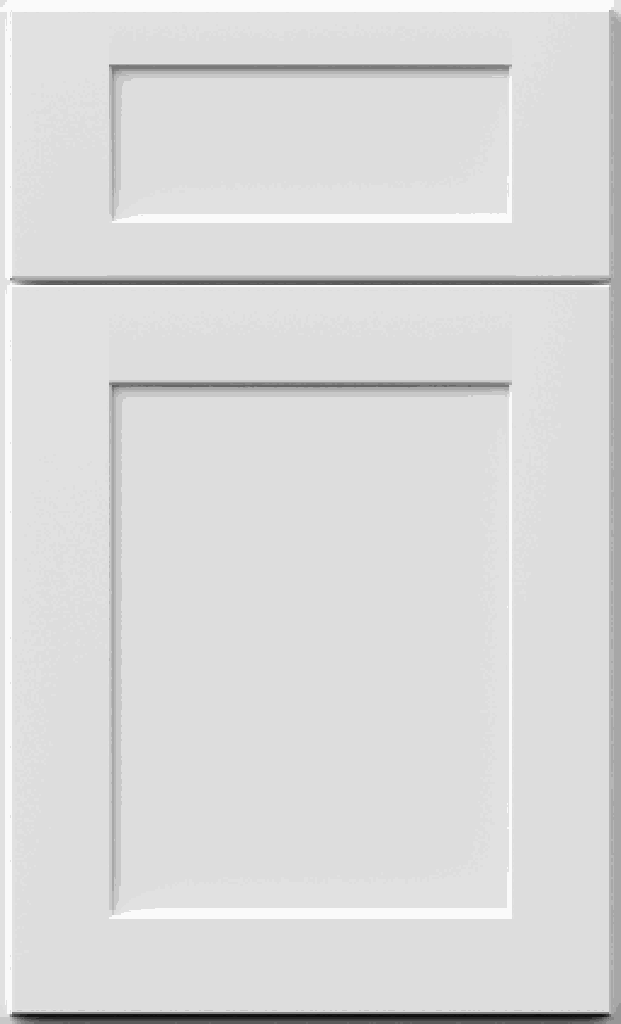
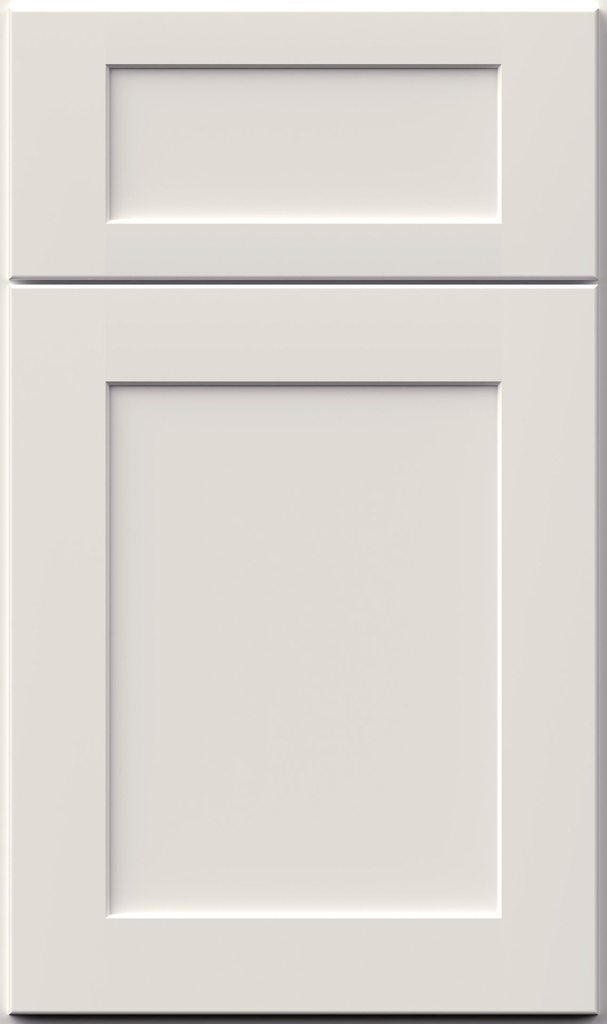
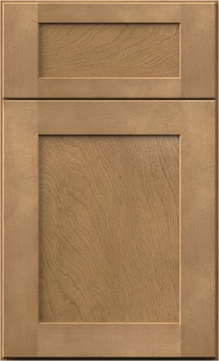
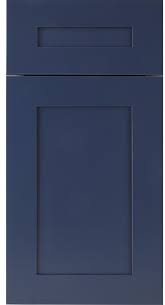
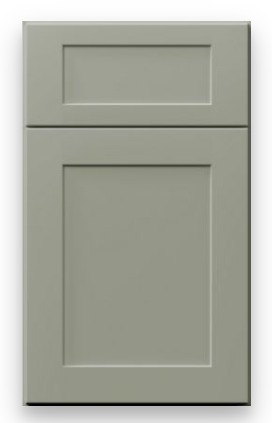
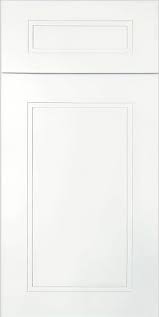
Flat-panel and slab cabinet doors remain the most popular choice. They are easy to clean, work with almost any colour or finish, and give kitchens a polished, uncluttered appearance.
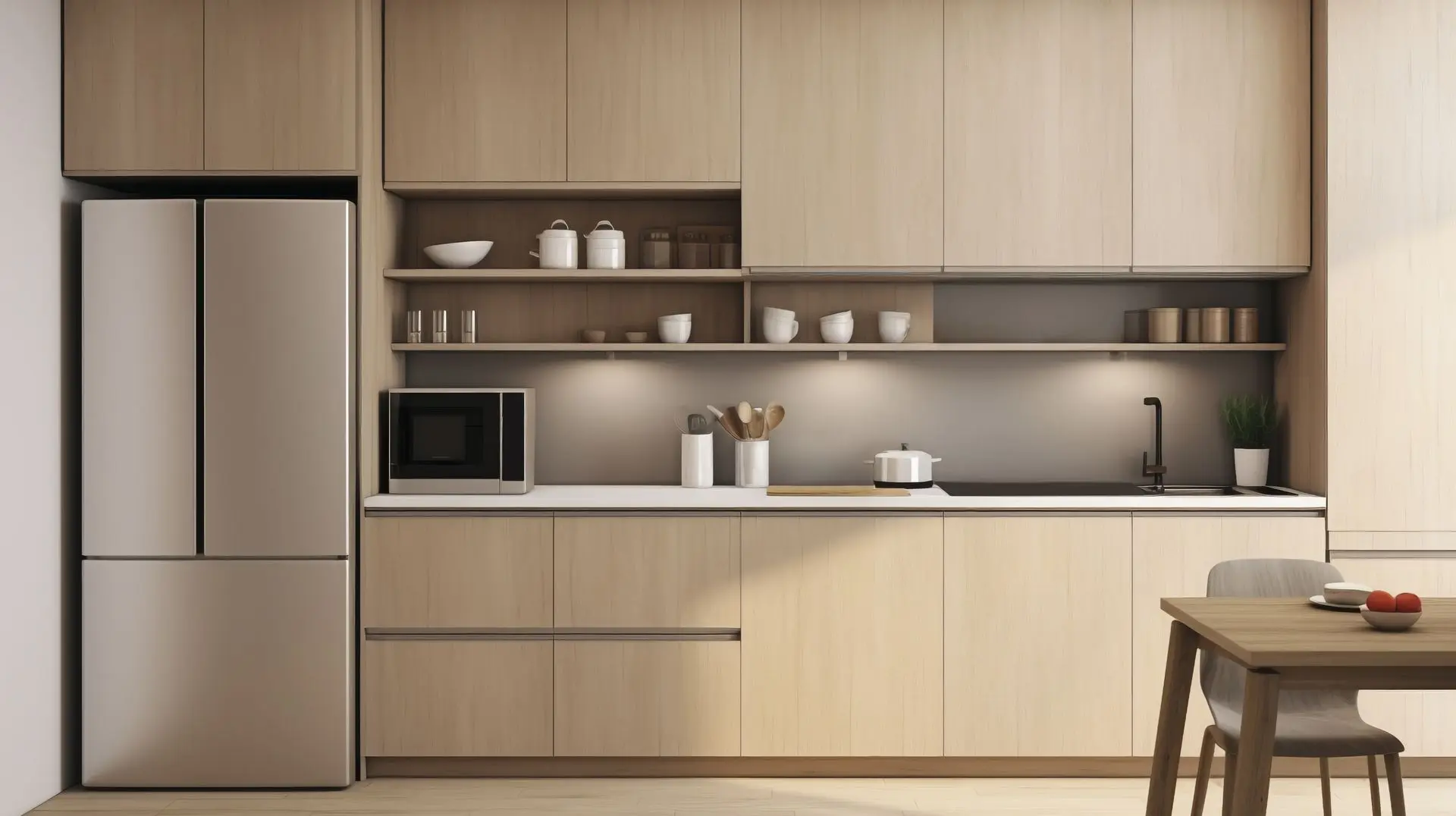
Handleless cabinets are everywhere in 2026. Whether through a J-pull profile, integrated grip channels, or push-to-open mechanisms, the handle-less look creates a smooth, continuous surface that feels architectural rather than functional. It is one of the clearest signals that a kitchen has been designed with intention.
Mixed material designs are also gaining serious traction. Combining natural wood grain with matte lacquer finishes, for example, adds depth and warmth without compromising the clean aesthetic. This combination works particularly well in open-plan living spaces where the kitchen is visible from the dining or living area.
Open shelving is still popular, but homeowners are being more strategic about it. Rather than removing all upper cabinets, most designers recommend a combination approach: open shelves for display and everyday items, closed cabinetry for storage that benefits from being hidden.
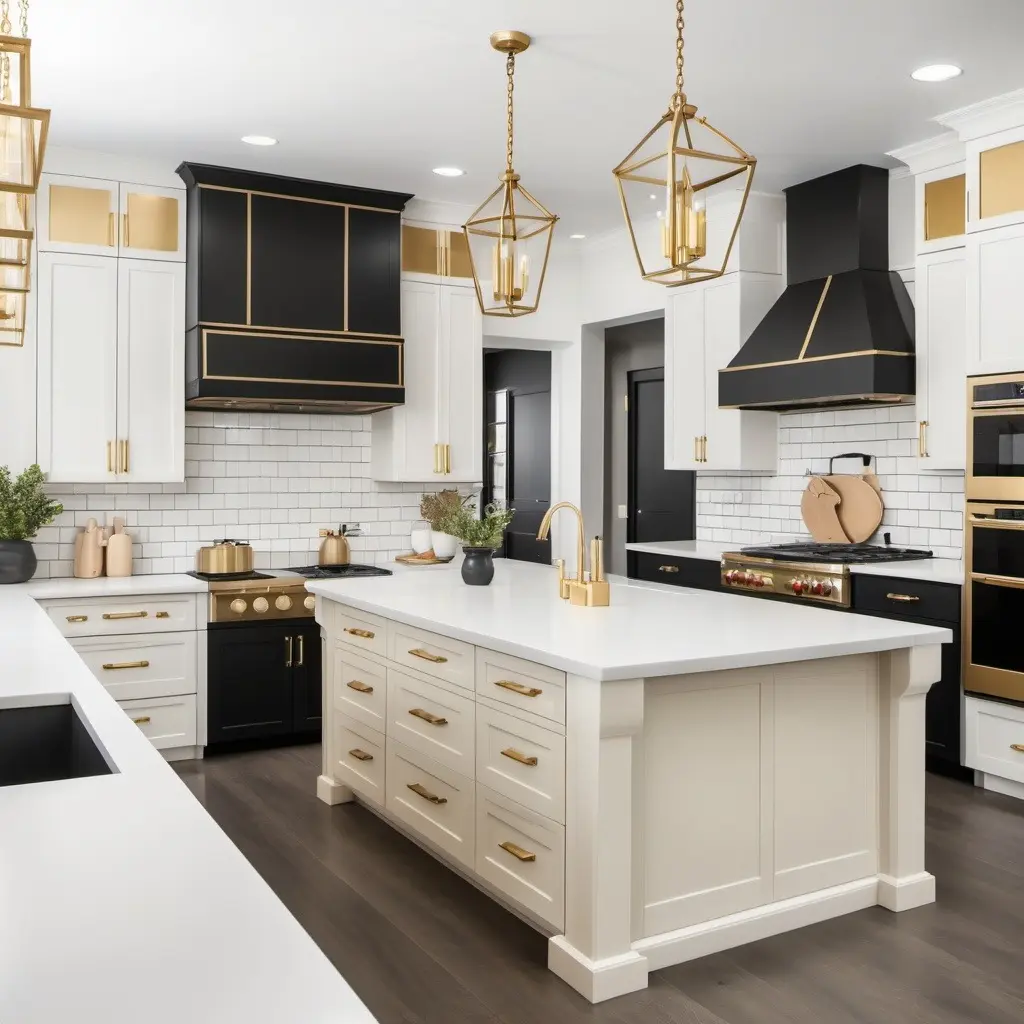
Two-tone cabinet styles have moved from trend to mainstream. Pairing a darker lower cabinet with lighter upper cabinets, or using a contrasting island color, breaks up visual monotony and adds a bespoke quality to the space.
Finally, smart technology integration is growing. From cabinets with built-in charging ports and LED sensor lighting to motorized lift-up door systems, technology is becoming a natural part of the modern cabinet design conversation.
3. Popular Finishes and Color Palettes:
Color and finish can make or break a kitchen design. In 2026, the most popular choices for modern kitchen cabinets lean toward sophistication and restraint.
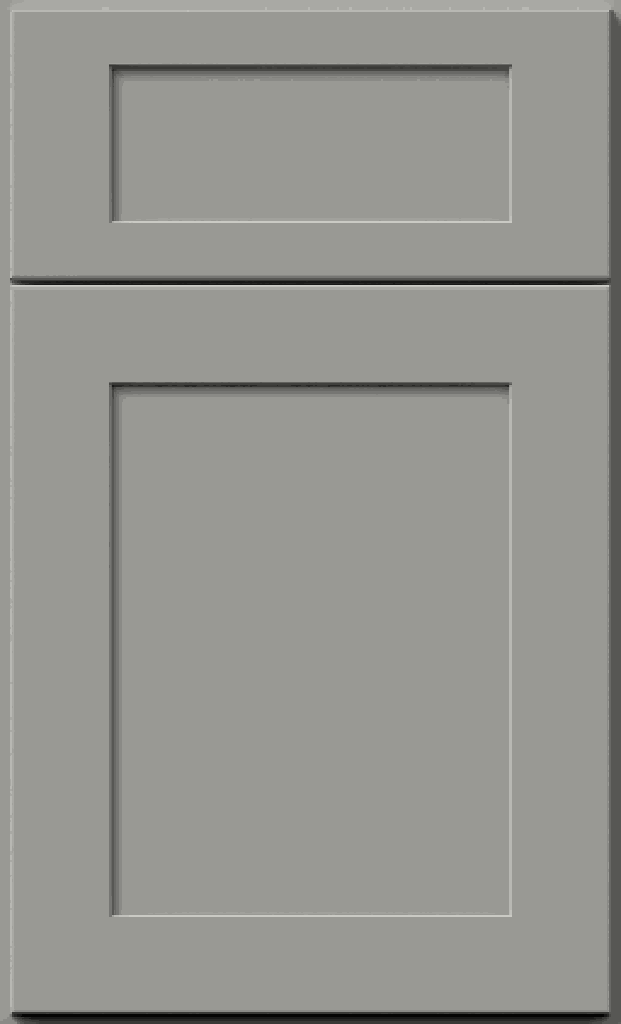
Warm neutrals like greige, warm white, and soft taupe are leading the color charts. These tones work in virtually any kitchen size and complement both natural and artificial lighting well.
On the bolder side, deep forest green, navy blue, and charcoal are being used confidently on lower cabinets and kitchen islands. These statement colors add personality without overwhelming the space.
When it comes to finish, matte continues to outperform gloss in residential kitchens. Matte finishes hide fingerprints and minor surface imperfections better, which makes them more practical for busy households. That said, high gloss finishes still have a place in contemporary cabinet design, particularly in smaller kitchens where light reflection can create a sense of greater space.
Natural wood tones in oak, walnut, and ash remain strong choices for adding warmth. Used on upper cabinets or as an island contrast, real wood or high-quality wood-effect laminates bring an organic quality that pairs beautifully with stone countertops.
4. Smart Storage Solutions for Small Kitchens:
Storage is where modern kitchen design truly separates itself from older approaches. It is not about adding more cabinets but about making every cabinet work harder.
Modular kitchen storage systems are ideal for compact spaces because they can be configured to suit your specific layout without requiring custom millwork at custom prices. Pull-out drawers inside base cabinets, for example, offer far better access than traditional shelf-and-door setups where items at the back get forgotten.
Tall pantry cabinets that run floor to ceiling maximize vertical space that most kitchens waste. These work particularly well in galley kitchens where width is limited but height can be used intelligently.
Corner cabinets have historically been a problem area. Today, solutions like soft-close magic corner fittings, pull-out carousel units, and diagonal corner drawers eliminate dead space almost entirely.
For everyday items, shallow pull-out spice racks beside the cooker, built-in knife blocks integrated into drawer systems, and hidden waste sorting units inside base cabinets all contribute to a clutter-free kitchen surface. The goal is to have a clear worktop at the end of every cooking session without constantly having to find a home for things.
5. Handleless vs Traditional Cabinets:
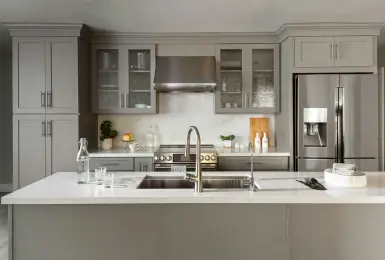
Handleless cabinets are not just an aesthetic preference. They represent a genuine design philosophy where hardware is eliminated from view to create visual continuity.
The three main handleless systems are the J-pull profile (a routed channel along the top or side of the door), the push-to-open mechanism (which uses a spring-loaded system to open with a gentle press), and the integrated handle (a recessed grip built into the door frame itself).
Each has its own strengths. J-pull profiles are the most affordable and work with standard door materials. Push-to-open is the cleanest looking option but requires proper alignment and good quality hardware to stay reliable over time. Integrated handles offer a middle ground between aesthetics and ease of use.
Traditional cabinets with bar handles or knobs still make sense in certain contexts. If your home has period features, a farmhouse aesthetic, or if you prefer the tactile ease of a clearly visible handle, there is no reason to force a handle-less design into the space.
In terms of cost, handle-less cabinets can cost slightly more depending on the system used, but the price difference is rarely significant enough to be the deciding factor. The choice should ultimately come down to your lifestyle and the overall look you are working toward.
6. Space Optimization Techniques:
Layout planning matters as much as cabinet selection. The most beautiful cabinets will underperform if they are arranged in a way that creates workflow friction.
The kitchen triangle concept, which positions the sink, cooker, and refrigerator within an efficient triangle of movement, remains the most reliable framework for functional kitchen planning. Modern open-plan kitchens sometimes adapt this into a kitchen zone model, but the principle of minimizing unnecessary movement is the same.
Ceiling-height cabinets are one of the most effective ways to gain storage without expanding the footprint of the kitchen. The upper section, often harder to reach daily, works perfectly for seasonal items, large serving dishes, and rarely used appliances.
Built-in appliance integration, where ovens, microwaves, and coffee machines are housed within the cabinet structure rather than sitting on countertops, creates a seamless look and frees up valuable workspace.
Interior cabinet lighting using LED strips or motion-activated puck lights is a practical upgrade that often gets overlooked. It makes finding items easier and adds a premium feel to even modestly priced cabinetry.
7. Materials That Fit Modern Aesthetics:
Choosing the right material is one of the most consequential decisions in a kitchen renovation. It affects durability, maintenance, budget, and how the kitchen ages over time.
For cabinet carcasses, plywood is generally considered superior to MDF in terms of strength and moisture resistance, particularly in areas near sinks or dishwashers. For door fronts, MDF is widely used because it provides a perfectly flat, stable surface that holds paint exceptionally well.
Solid wood remains the premium choice for those who want natural variation and the ability to sand and refinish over time. Hardwoods like oak and walnut also add genuine warmth that laminates struggle to replicate convincingly.
High-pressure laminates and acrylic finishes offer excellent durability and a wide range of color and texture options at a lower price point than real wood. Modern laminates have improved dramatically and can closely mimic natural materials.
For eco-conscious buyers, FSC-certified timber and formaldehyde-free board options are increasingly available. If sustainability is a priority for your project, ask suppliers specifically about their material sourcing and board composition before placing an order.
8. Cost vs Value in Modern Cabinet Designs:
Understanding what you are paying for matters when the investment is significant. In 2026, the cost of modern kitchen cabinets in the United States ranges broadly depending on whether you choose stock, semi-custom, or fully custom options.
Stock cabinets offer the lowest entry point and work well for standard kitchen dimensions. Semi-custom options give you more control over sizing and finish while staying within a reasonable budget. Custom cabinetry, built to your exact specifications and space, commands a premium but delivers a finished result that stock options cannot match.
Where you invest matters as much as how much you spend. Quality hardware, including soft close drawer runners and concealed hinges from reputable brands, is worth prioritizing. Poor hardware is the most common source of frustration in kitchens that otherwise look great.
From a resale perspective, a well-designed modern kitchen consistently ranks among the highest-return renovations a homeowner can make. Updated cabinets signal a maintained, move-in-ready home to buyers and can meaningfully improve both sale price and time on market.
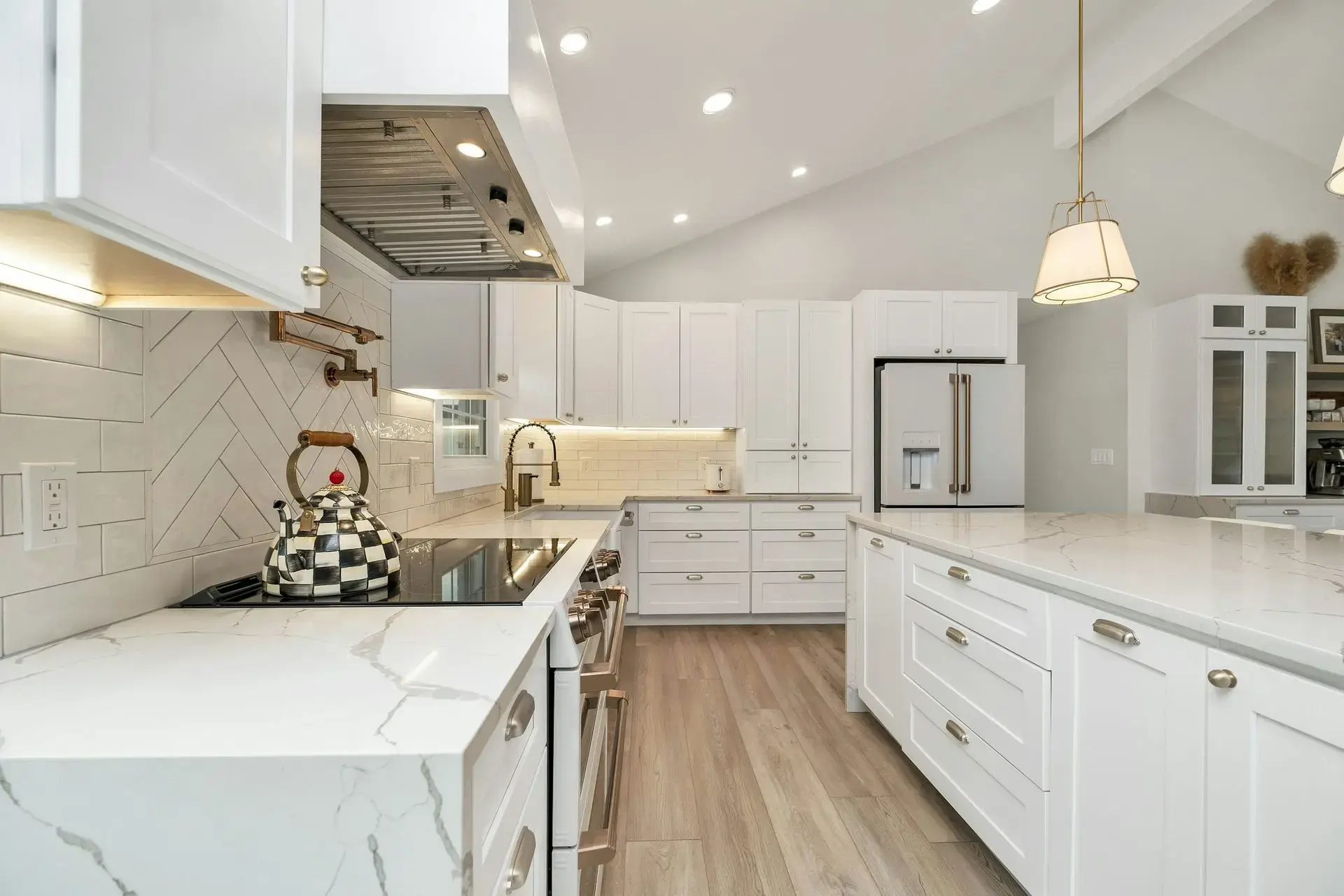
9. Common Design Mistakes to Avoid:
Even with careful planning, certain mistakes appear repeatedly in kitchen renovation projects.
Choosing style over functionality is the most common. A beautiful kitchen that does not work for how you actually cook becomes frustrating very quickly. Always start with how you use the space and design around that reality.
Poor storage planning is the second most common issue. Not accounting for the specific items you need to store, from large pots to small appliances, leads to overcrowded countertops and poorly organized cabinets.
Ignoring the kitchen triangle, choosing the wrong colours for a small space, and skipping quality hardware like soft close drawers are all errors that feel minor during planning but become significant irritations in daily use.
One often overlooked mistake is overcrowding with too many cabinets. In a rush to maximize storage, some homeowners end up with a kitchen that feels heavy and visually busy. White space and breathing room matter in kitchen design.
10. How to Blend Style with Functionality:
The best modern kitchens do not force you to choose between looking good and working well. They achieve both by treating storage, layout, materials, and aesthetics as a single integrated system rather than separate decisions.
Minimalist kitchen cabinets work best when paired with smart internal storage. The exterior simplicity is only sustainable if the interior is organized and functional. This is why investing in quality drawer inserts, pull-out systems, and thoughtful organization is as important as choosing the right door style.
Matching your cabinets with the right countertop and backsplash completes the design. A matte cabinet in warm white pairs beautifully with a honed stone countertop and a simple subway tile or large-format slab backsplash. A wood-toned cabinet works well with concrete, quartz, or darker stone surfaces.
Future-proofing your kitchen cabinet design means making choices that age well. Neutral cabinet colors, quality materials, and hardware that can be replaced independently of the cabinetry itself all contribute to a kitchen that remains relevant and functional for many years.
If you are ready to explore modern kitchen cabinet options that balance design, durability, and smart storage, Builderstock offers a curated range built for exactly that purpose. Browse the current collection and find the style that fits your kitchen and your life.