








Most homeowners who reach out to a contractor for bathroom vanity installation in Atlanta have already done their homework. They know the style they want. They have a rough budget. What they don't always know is what happens between picking out a vanity and having it fully installed, or what can go sideways when a few steps get skipped.
This guide covers the full picture: the installation process, what it actually costs in Atlanta right now, how to choose between DIY and professional help, and what to do before the installer shows up. If you're close to making a decision on a new vanity, this is what you need to read first.
Why Atlanta Homeowners Are Replacing Vanities Right Now
Bathroom remodeling continues to be one of the most active home improvement categories across Atlanta, Marietta, Decatur, Sandy Springs, and the surrounding suburbs. A lot of that activity centers on vanities.
Older homes in neighborhoods like Buckhead, East Atlanta, and Grant Park often have builder-grade vanities that are 15 to 20 years old. They're functional, but they're dated, and they don't hold up well to Georgia's seasonal humidity. Swollen drawers, delaminated surfaces, and failing cabinet finishes are among the most common complaints homeowners bring to local remodelers.
Newer construction homes in Alpharetta and Johns Creek tend to have better quality bases but limited style options. Homeowners who bought in the last five to seven years are now at the point where they want to personalize the space and upgrade to something that actually matches how they use the room.
Whatever your reason for being here, the installation process is largely the same.
Choosing the Right Vanity Before Installation Begins
This step matters more than most people realize. Installation problems almost always trace back to a vanity that wasn't the right fit for the space before anyone picked up a wrench.
Size and clearances
Atlanta homes vary a lot in bathroom footprints. An older bungalow in Decatur might have a bathroom around 45 to 50 square feet. A newer primary bath in Roswell or Woodstock might be twice that size. Standard vanity widths run from 24 inches up to 72 inches for double-sink configurations.
Before you shop, measure the following:
- Width of the space from wall to wall, or from the wall to the nearest obstruction (toilet, tub, or door swing)
- Depth available from the wall outward (standard is 21 inches; some tighter spaces need an 18-inch depth vanity)
- Height clearance above the vanity location for mirrors, lighting, or wall-mount fixtures
Building codes in Atlanta require at least 15 inches of clearance from the center of a toilet to any adjacent obstruction. Keep that in mind if you're considering a wider vanity footprint.
Freestanding vs. floating (wall-mounted)
Freestanding vanities sit on the floor and are the standard installation type. They're simpler to install and work well in most Atlanta bathrooms.
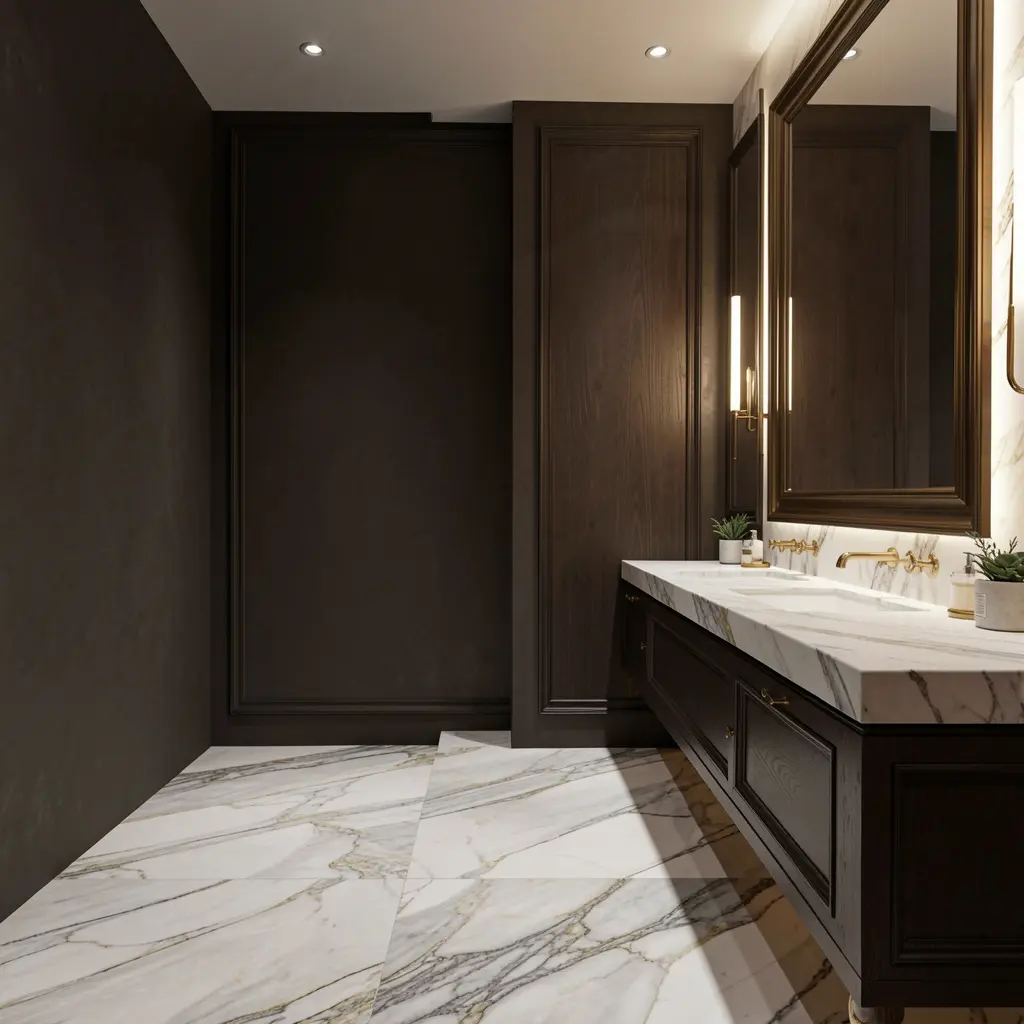
Wall-mounted vanities (also called floating vanities) attach directly to wall studs and leave the floor completely exposed. They photograph well and make mopping easier, but they require confirmed stud locations and a wall structure capable of bearing the cabinet's weight plus daily use. This is one reason professional installation pays off if you're going with a floating design.
Single vs. double sink
If two people share the bathroom and the space allows it, a double vanity is worth the investment. Installation involves two drain connections and two supply lines, which adds to the labor time and cost. That said, the daily convenience usually pays off quickly in shared or primary bathrooms.
Browse bathroom vanity options at Builder Stock Cabinets to get a sense of what's available in the size ranges that work for your Atlanta bathroom.
The Installation Process Step by Step
Here's what a professional bathroom vanity installation in Atlanta looks like when it's done well.
Step 1: Shut off water and remove the old vanity
The installer starts by shutting off the water supply valves under the sink. The drain and supply lines are disconnected, and the old vanity is removed carefully. This is also when the wall and floor conditions get inspected. Water damage behind the old caulk line, mold at the base, or an unlevel floor are caught here, not after the new vanity is already sitting in position.
Step 2: Prep the wall and plumbing
If the new vanity is a different size than the old one, the plumbing rough-in may need adjustment. Supply lines are repositioned if necessary. Wall patches are made where the old unit left damage or gaps.
Step 3: Set and level the vanity cabinet
The cabinet box goes in first. Most Atlanta bathrooms have slightly unlevel floors, which is normal in homes with concrete slab foundations that have settled over time. A quality installer uses shims to get the vanity perfectly level before securing it to the wall studs.
Step 4: Install the countertop and sink
The countertop is set and secured with silicone. If you're using an undermount sink, it attaches to the underside of the counter before the top is placed. Drop-in sinks are set into the opening after the counter is in place. Faucet holes are confirmed or drilled before the counter goes in permanently.
Step 5: Connect the plumbing
The drain assembly is connected. Supply lines run from the shutoff valves to the faucet body. The installer checks every connection, runs the water, and watches for drips at the drain, supply lines, and faucet. No shortcuts here.
Step 6: Caulk and finish
Silicone caulk is applied where the countertop meets the wall along the back and sides. Mirrors or medicine cabinet doors are hung if included. The space is cleaned up and cleared of debris.
A standard vanity swap takes 3 to 5 hours for an experienced installer. A first-time installation in a newly roughed-in space, or a floating vanity requiring significant wall prep, takes longer. The National Kitchen and Bath Association (NKBA) publishes planning guidelines that local Atlanta contractors follow for proper clearances and rough-in standards.
What Bathroom Vanity Installation Costs in Atlanta in 2026
This is usually the first question, so here are real numbers based on current Atlanta market data.
Labor only (installation only)
If you already have the vanity unit and just need someone to install it, Atlanta contractors typically charge $100 to $300 for installation labor. Add $150 to $500 for old vanity removal, depending on size and whether there are any complications like water damage or difficult disconnection.
Full project cost
When you factor in the vanity unit, countertop, sink, faucet, and labor, the average full vanity project in Atlanta runs between $7,443 and $10,280. Budget projects using stock cabinets and basic fixtures can come in closer to $3,000. Higher-end projects with custom cabinetry and natural stone countertops run $15,000 and up. Data from Contractor+ and Angi both reflect similar ranges for the Atlanta market in 2026.
What affects the price
- Vanity size: a 24-inch single vanity costs less to purchase and install than a 60-inch double
- Plumbing changes: if supply lines need rerouting or drain locations change, add $200 to $600 in plumber costs
- Countertop material: quartz costs more than laminate; marble costs more than quartz
- Permit requirements: some Atlanta jurisdictions require permits for work involving plumbing changes, which adds a few hundred dollars and typically extends the timeline by 1 to 3 weeks
The most accurate way to get a number for your specific bathroom is to visit a cabinet showroom, have measurements taken, and request a line-item estimate before committing to anything.
DIY vs. Professional Installation: An Honest Comparison
A straightforward vanity swap, replacing an old unit with a new one of the same size and in the same position, is within reach for a homeowner comfortable with basic plumbing. There's no electrical work involved in most standard vanity installations, and no framing.
Where DIY gets risky:
- Unlevel floors that require shimming judgment that comes from experience
- Plumbing connections that need to be tight without over-tightening, which can crack fittings
- Wall-mounted vanities that require correct stud engagement and weight distribution
- Undermount sinks with stone countertops that require precise cutouts and adhesive work
If you go DIY and a connection fails, water damage to the subfloor or cabinets below the sink can cost significantly more to repair than the installation would have cost in the first place. Most Atlanta homeowners who have dealt with subfloor repairs after a slow leak will tell you the same thing: pay for the professional installation up front.
For anything beyond a simple like-for-like swap, professional installation is the smarter call. If you need installation referrals alongside purchasing your vanity, the team at Builder Stock Cabinets can point you in the right direction.
How to Prepare Your Bathroom Before the Installer Arrives
A few things you can do ahead of time to make the installation go faster and avoid surprises:
Clear everything out of the existing vanity and the cabinet under the sink. Installers need full access from the start.
Take photos of your current plumbing setup, including where supply lines exit the wall and where the drain connects. This gives the installer useful context before they arrive.
Note any existing issues you're aware of: a drain that runs slow, a supply valve that's stiff to turn, or any mold you've noticed at the base of the current cabinet. Tell the installer before they start rather than waiting for them to discover it mid-job.
If you're ordering a new countertop separately, confirm the delivery date aligns with the installation appointment. Scheduling a countertop delivery that conflicts with the install date is one of the most common delays Atlanta homeowners run into.
Common Mistakes Atlanta Homeowners Make
Not accounting for plumbing offset. The drain location in your floor or wall is fixed. If you choose a vanity where the internal drain cut-out doesn't line up with your rough-in, you'll need a plumber to relocate it. That's an added cost that's entirely avoidable with proper measurement upfront.
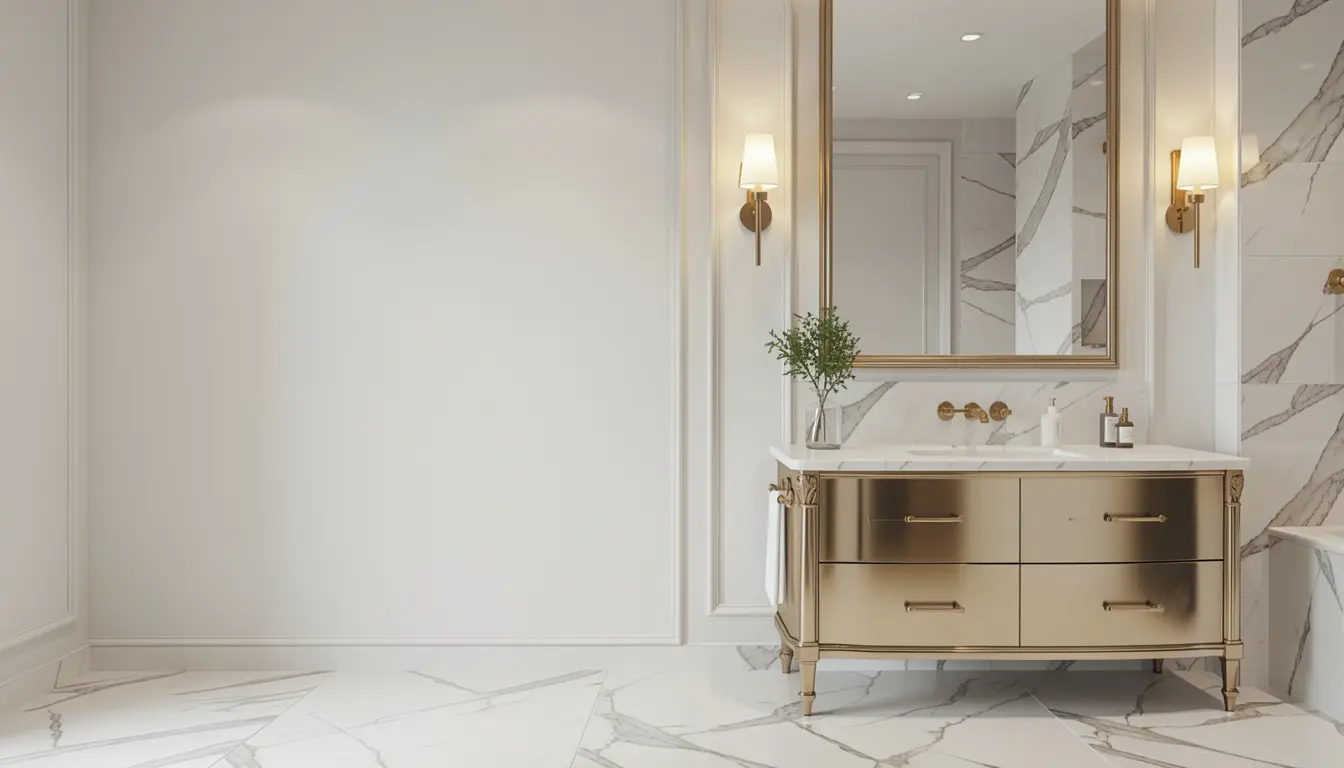
Choosing finish over function. A matte black faucet looks great in photos. So does brushed gold. But some popular finishes show water spots badly in Atlanta's water conditions or require special cleaners to maintain. Think about daily maintenance before you commit to a finish.
Skipping a permit when one is required. If you sell your home later and an unpermitted plumbing change comes up during inspection, it creates delays and negotiating problems. Check with the City of Atlanta or your local jurisdiction before starting any work that involves moving plumbing.
Buying online without measuring properly. Vanity dimensions listed online sometimes reflect overall dimensions including door hardware rather than the cabinet box itself. Always measure the space and confirm the cabinet box dimensions before purchasing.
FAQs:
How long does bathroom vanity installation take in Atlanta?
A standard vanity replacement with no complications takes 3 to 5 hours for an experienced installer. If plumbing needs adjustment or the floor needs leveling work, plan for a full day. Custom or floating vanities requiring significant wall prep may run longer depending on conditions.
Do I need a permit for bathroom vanity installation in Atlanta?
It depends on the scope of work. Replacing a vanity with the same size unit in the same plumbing location generally does not require a permit. If you're moving drain locations, adding a vanity where there wasn't one before, or changing supply rough-ins, a permit is required. The City of Atlanta permit process typically takes 1 to 3 weeks. Always confirm with your local jurisdiction before starting.
How much does old vanity removal cost in Atlanta?
Most Atlanta contractors charge $150 to $500 to remove and dispose of an existing vanity, depending on its size and whether there are complications like water damage, hardened caulk, or mold remediation needed.
What type of vanity cabinet holds up best in Atlanta's climate?
Plywood cabinet boxes hold up better than particleboard in Atlanta's humid conditions. Particleboard swells and degrades with repeated moisture exposure. Solid wood door frames with moisture-resistant finishes are the right choice for Atlanta bathrooms that see heavy daily use. Ask specifically about cabinet box construction before buying.
Can I convert from a single vanity to a double vanity in Atlanta?
Yes, if the wall space allows and the plumbing can accommodate two sink connections. Converting usually requires a plumber to add a second drain line and extend supply lines. Budget $300 to $700 for the plumbing work, on top of the new vanity and installation costs. Always confirm the available wall width before planning a double vanity.
Ready to Start? Visit Builder Stock Cabinets in Atlanta
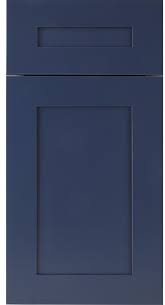
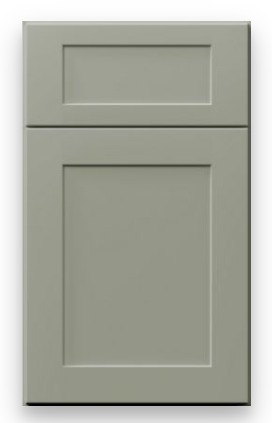
If you're at the point where you know you want a new vanity but want to see real options in person before committing, Builder Stock Cabinets is worth the trip. Their Atlanta showroom carries an extensive selection of bathroom vanities in a range of sizes, finishes, and styles, including shaker, modern flat-panel, and traditional options that work well in both older Atlanta homes and newer construction.
You can also get help with measurements, project planning, and understanding what installation will realistically involve for your specific bathroom. The team can help you catch sizing and plumbing offset problems before you've spent money on the wrong unit.
Explore the bathroom vanity collection at Builder Stock Cabinets, or stop by the Atlanta showroom to talk through your project with someone who knows these bathrooms. For RTA cabinet options that make the budget work without sacrificing quality, check out their RTA cabinet selection as well.