




Introduction:
Most Atlanta homeowners make the same planning mistake when they start a kitchen renovation. They visit a showroom, fall in love with a cabinet style, and commit to it before they have finalized a single measurement or confirmed how the layout will actually function in their specific kitchen footprint.
That sequence creates real, costly problems. A cabinet profile that photographs beautifully in a staged display can look visually heavy in a narrow galley, create a dark corridor effect in a poorly lit L-shaped kitchen, or fail to fill a U-shaped run without awkward fillers and gaps. The result is a finished kitchen that feels slightly wrong, even when every individual component is perfectly manufactured.
The correct sequence is layout first, cabinets second. Your kitchen's physical dimensions and architectural constraints determine which layout works, and your layout determines how many cabinet runs you need, which sizes and configurations fit cleanly, and which finish creates the right visual balance for that specific space.
This guide covers the four modern kitchen layouts Atlanta homeowners use most in 2026, explains which cabinet styles and configurations suit each one, and walks you through the planning and purchasing decisions you need to make before you place a single cabinet order. By the end, you will know exactly how to approach your renovation in the right order, which will save you time, money, and the frustration of mid-project changes.
Why Kitchen Layout Matters Before You Choose Your Cabinets:
The Relationship Between Layout and Cabinet Count:
Your kitchen layout is the single biggest variable in your cabinet order. The layout determines how many linear feet of cabinetry you need, how many upper versus lower cabinet runs you require, whether corner solutions like lazy Susans or blind corner pull-outs are necessary, and whether specialty pieces such as tall pantry cabinets or appliance garages fit within the footprint.
Two kitchens with identical square footage can require dramatically different cabinet counts depending on their layout. A galley kitchen with two parallel runs of 10 feet each requires approximately 20 linear feet of cabinetry. A U-shaped kitchen of similar size with three walls of cabinetry and an island can require 35 to 45 linear feet. Ordering cabinets before confirming your linear footage is how Atlanta buyers end up either short on cabinets mid-installation or sitting on a surplus of boxes they cannot return.
How Atlanta Home Architecture Shapes Your Layout Options
Atlanta's housing stock is one of the most architecturally varied in the Southeast. Mid-century ranch homes in Tucker, Chamblee, and Clarkston often have narrow, compartmentalized kitchens where a galley or L-shaped layout is the only structurally practical option. The craftsman bungalows of Grant Park, Kirkwood, and Inman Park frequently have kitchens that open toward a dining room, making an open-plan or modified L-shaped layout a natural fit. Newer construction in Alpharetta, Cumming, and Johns Creek typically comes with larger kitchen footprints designed for the U-shaped and open-plan layouts that Atlanta buyers have requested consistently over the past decade.
Understanding which layouts are possible in your specific home's architecture is the foundation of any sensible cabinet planning conversation. Some Atlanta homeowners in older homes try to force a U-shaped layout into a space that cannot structurally support it without removing a load-bearing wall. Knowing your constraints upfront keeps your renovation budget grounded in reality.
What Changes When You Get the Layout Right First
When layout comes before cabinet selection, every subsequent decision becomes easier and more precise. Your supplier gives you an accurate quote the first time because they are working from confirmed measurements and a defined configuration rather than approximate estimates. Your contractor can plan installation without discovering fit issues on site. Your cabinet order is sized correctly, reducing the risk of overage or shortage. And critically, the finished kitchen looks intentional because every cabinet run, every finish choice, and every hardware decision was made in the context of the actual space rather than in isolation.
Modern Kitchen Design Principles Atlanta Homeowners Are Adopting in 2026
Atlanta kitchen design in 2026 reflects several clear preferences. Open sight lines between the kitchen and adjacent living spaces are a consistent priority, which is why the open-plan layout has overtaken the traditional closed kitchen in renovation requests. Functional storage is valued over decorative display, which means fewer glass-front upper cabinets and more full-height pantry towers and deep drawer stacks. Cabinet finishes are trending neutral, with white shaker as the dominant choice across all layout types and gray shaker as a strong second option, particularly in kitchens with strong natural light. Hardware is leaning toward matte black and satin brass in contemporary kitchens, while brushed nickel remains the practical standard for traditional and transitional styles.
The Four Most Popular Modern Kitchen Layouts in Atlanta:
L-Shaped Kitchen Layout: Ideal for Open-Plan Homes and Smaller Footprints
An L-shaped kitchen uses two runs of cabinets arranged at a right angle along two adjacent walls, leaving the remaining floor space open. It is one of the most versatile layouts available because it works in kitchens of varying sizes, creates a natural work triangle between the sink, stove, and refrigerator without forcing a rigid path, and allows for a casual dining area or small breakfast bar on the open side.
Which Atlanta homes suit this layout best: L-shaped kitchens are common in Atlanta ranch homes, smaller craftsman properties, and any kitchen where one wall opens directly into a dining room or living area. The layout gives the kitchen a natural boundary without closing it off entirely, which suits the semi-open living preferences of many Atlanta families.
Cabinet runs and typical count: An L-shaped kitchen typically requires two runs of base and upper cabinets, with the corner junction requiring either a corner base cabinet with a lazy Susan or a blind corner pull-out configuration. The total linear footage varies based on wall length, but most Atlanta L-shaped kitchens fall between 15 and 25 linear feet of total cabinetry.
Cabinet style recommendation: White shaker upper cabinets keep the room feeling open and light along both wall runs. Gray shaker base cabinets paired with white uppers add visual depth without making the corner junction feel heavy. The corner cabinet should be specified as a lazy Susan unit from the beginning of the order; retrofitting corner solutions after the fact is expensive and often impractical.
Common mistakes in L-shaped kitchens: The most frequent error Atlanta buyers make in L-shaped layouts is underestimating how much the corner cabinet configuration affects both usable storage and the visual flow of the room. Choosing a blind corner solution that is difficult to access daily reduces the practical value of that cabinet run significantly. A well-specified lazy Susan or a pull-out corner unit costs more upfront but delivers genuinely usable storage for the life of the kitchen.
U-Shaped Kitchen Layout: Maximum Storage and Counter Space
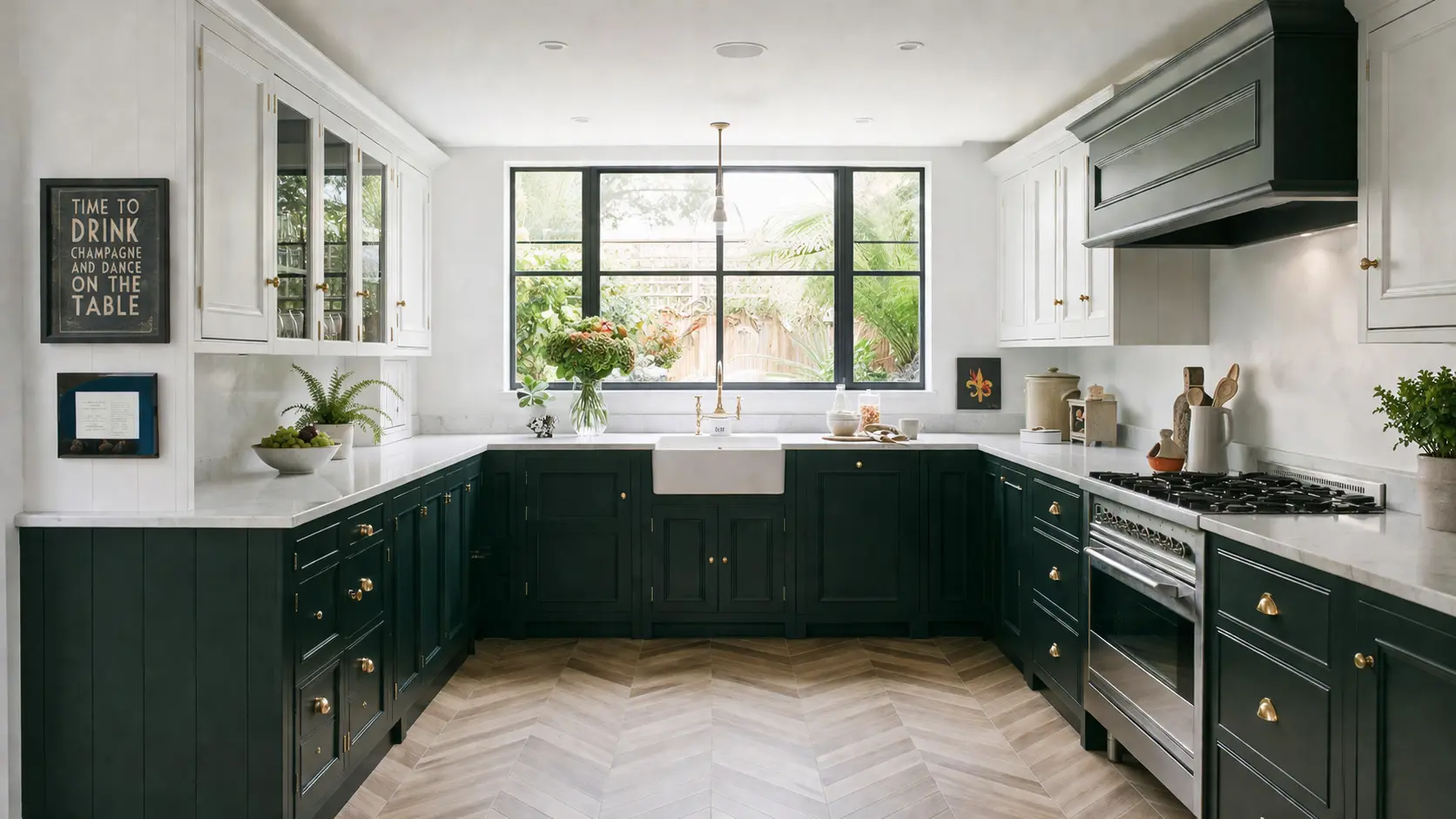
A U-shaped kitchen uses three walls of cabinetry and counter space, surrounding the cook on three sides and creating the most generous storage and workspace footprint of any standard kitchen configuration. It is the preferred layout for Atlanta homeowners who cook frequently, value counter space, and have a kitchen with sufficient width to avoid the corridor feel that a poorly proportioned U-shape can create.
Which Atlanta homes benefit most: U-shaped layouts work best in kitchens with at least 8 feet of clearance between the two parallel walls. Homes in Sandy Springs, Dunwoody, and newer Alpharetta communities frequently have kitchens built specifically around this layout. Older Atlanta bungalows and smaller ranch homes often cannot accommodate a true U-shape without a structural wall modification.
Island compatibility: A U-shaped kitchen with adequate square footage can incorporate a kitchen island in the center of the layout, creating what designers call a G-shape. The island requires a minimum of 42 to 48 inches of clearance on all accessible sides, and adding an island cabinet run increases the total linear footage of your cabinet order by 6 to 12 feet depending on island length.
Corner cabinet solutions: A U-shaped kitchen has two interior corners, both of which require thoughtful cabinet solutions. Specifying both corners as lazy Susan units or pull-out drawer stacks from the beginning of your order, rather than using filler panels, maximizes the usable storage from what would otherwise be dead space.
White vs. gray shaker for U-shaped layouts: In U-shaped kitchens where three walls of cabinetry surround the workspace, the finish choice has a strong effect on how the space feels. White shaker on all surfaces reflects the most light and prevents the three-sided cabinet arrangement from feeling cave-like, particularly in kitchens with limited window exposure. Gray shaker works well in U-shaped kitchens with strong natural light sources and darker stone countertops, where the gray anchors the space without competing with the light.
Galley Kitchen Layout: The Efficient Choice for Narrow Spaces
A galley kitchen places two parallel runs of cabinets and countertops facing each other across a single corridor, typically between 4 and 7 feet wide. The layout is named for the compact ship galley and shares its defining characteristic: maximum efficiency in a minimum footprint.
Which Atlanta properties use galley layouts: Galley kitchens are common in Atlanta condos in Midtown and Buckhead, older townhomes throughout the city, and the original kitchen footprints of many bungalow and ranch homes built before the open-plan preference became standard. They are a practical starting point for kitchens where structural or budget constraints make layout expansion impractical.
Maximizing cabinet depth and height in a galley: In a galley kitchen, the full height of each wall is an asset worth using. Extending upper cabinets to the ceiling rather than leaving a gap above eliminates the dust-collecting shelf above standard-height uppers and adds a significant amount of closed storage. Deep base cabinets on one wall with shallow upper cabinets on the opposite wall balance storage capacity with visual openness in the corridor.
Avoiding the tunnel effect with light cabinet colors: The most common visual problem in galley kitchens is the tunnel effect, where two walls of cabinetry and countertops create a narrow corridor that feels compressed and dark. White shaker cabinets on both walls address this directly by reflecting light from both sides of the corridor, which opens the visual width of the space without changing any physical dimensions. Darker cabinet finishes in a galley setting compress the perceived width further and should be avoided unless the kitchen has exceptional natural light from windows at both ends.
Hardware for galley kitchens: Because the two cabinet walls face each other at close range, hardware is visually prominent in a galley layout. Simple bar pulls in a brushed nickel or matte black finish are the most practical choice because they are easy to grip in a tight corridor and read cleanly at the viewing distances typical of galley kitchens.
Open-Plan Kitchen Layout: The Most Requested Design in Atlanta Right Now
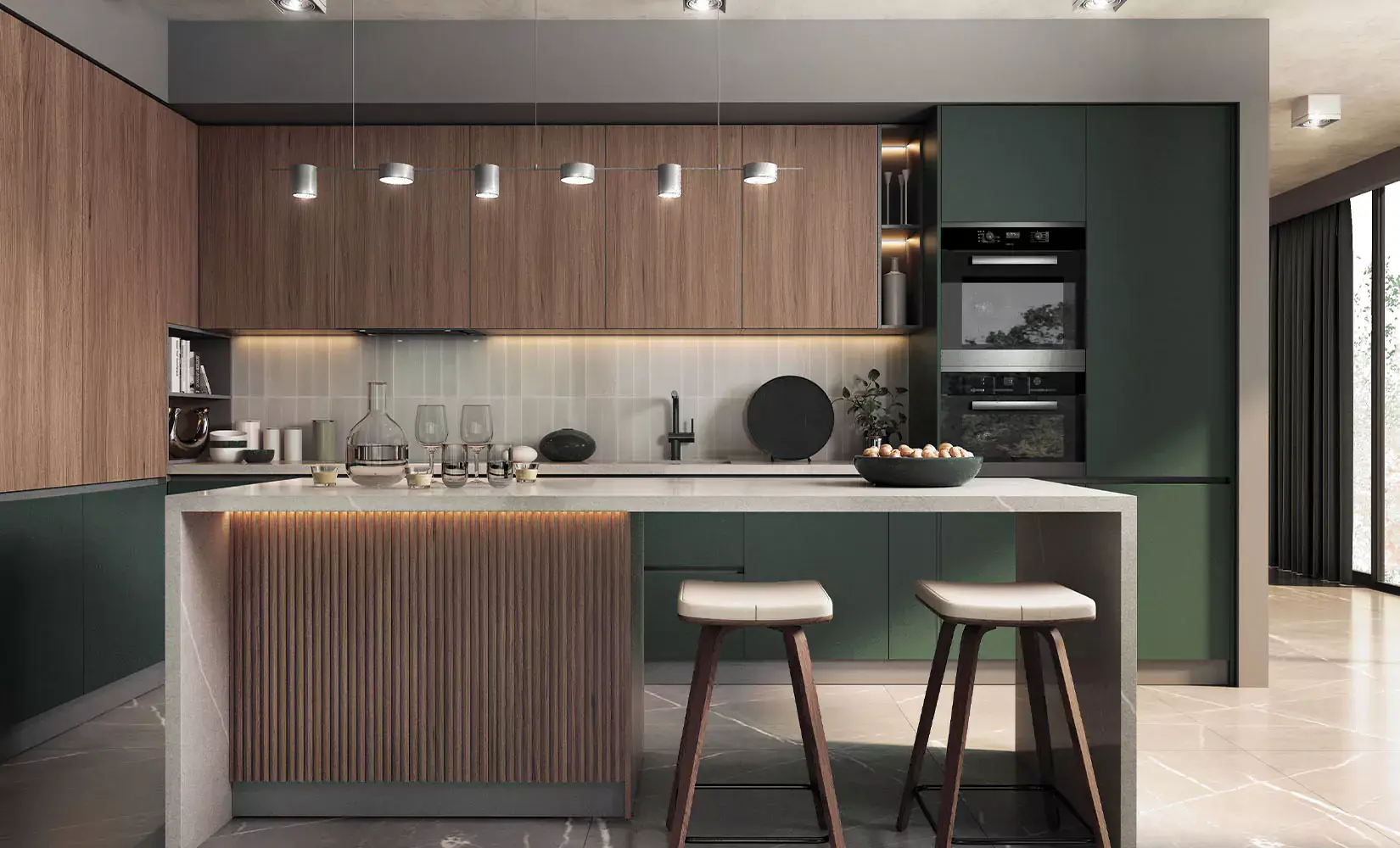
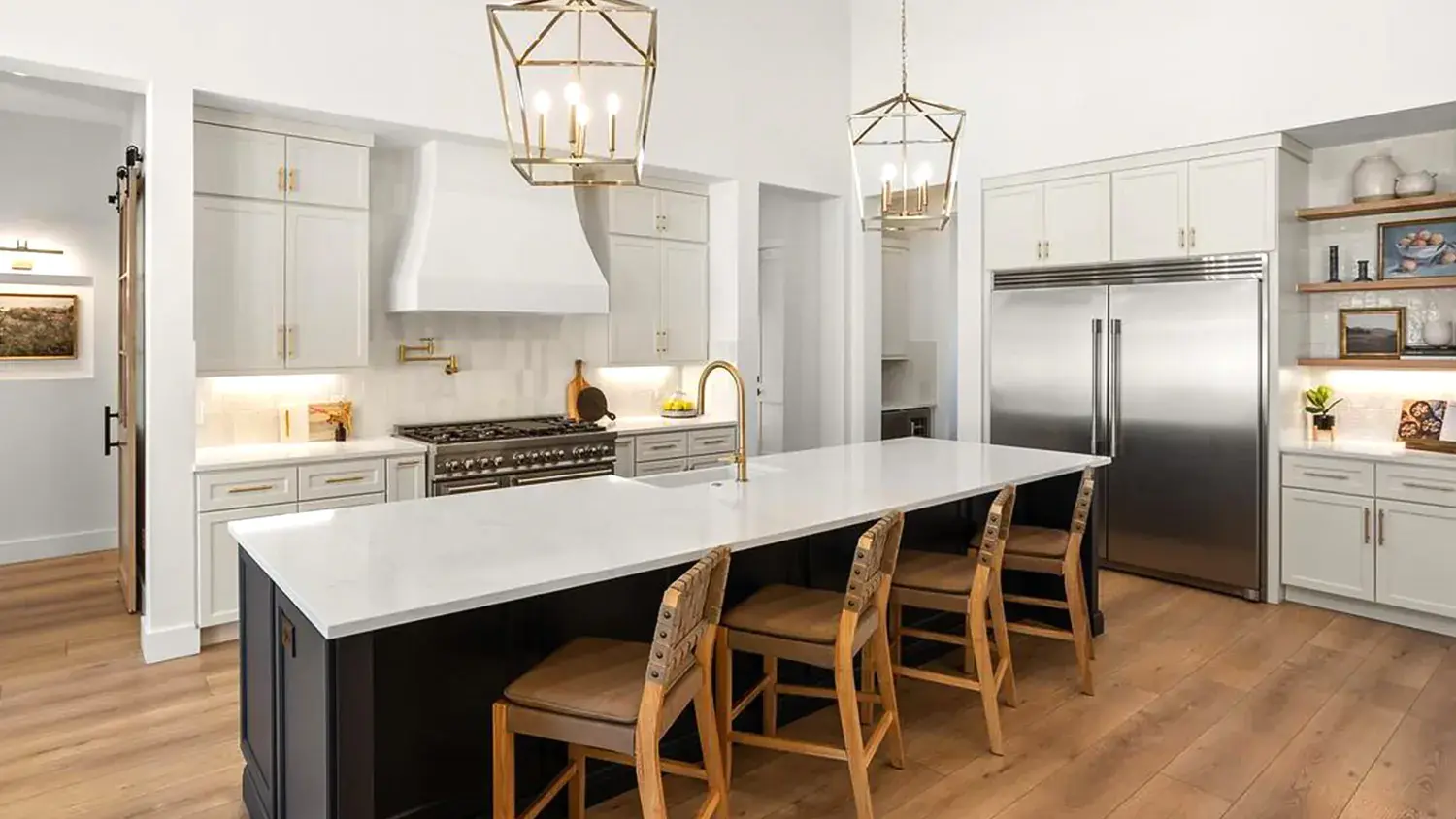
An open-plan kitchen removes or reduces the walls that traditionally separated the kitchen from the dining room and living area, creating a continuous shared space. It is currently the most requested modern kitchen design across Atlanta's residential renovation market, driven by a preference for social cooking environments where the person preparing meals can remain part of the household's activity rather than isolated in a separate room.
What an open-plan layout changes about the cabinet design challenge: In a closed kitchen, your cabinet choices are evaluated primarily within the kitchen itself. In an open-plan kitchen, your cabinets are visible from the dining area, the living room, and often the entry hallway. The finish, the door profile, and the hardware all become part of the home's broader interior design, not just the kitchen's. This is why open-plan kitchens require a more deliberate cabinet selection process than any other layout type.
Island requirements in open-plan kitchens: Most open-plan kitchen layouts include a kitchen island that defines the boundary between the cooking zone and the living space. The island is typically the visual centerpiece of the layout and carries a separate cabinet run along its base. Island cabinet dimensions, finish, and hardware should be specified as part of the same order as the perimeter cabinets to ensure consistency. Ordering the island cabinet separately later creates a significant risk of finish mismatch.
The role of cabinet finish in an open-plan setting: Because open-plan kitchen cabinets are visible from multiple rooms and multiple distances, the finish must read well across a range of sight lines. White shaker cabinets are the dominant choice in Atlanta open-plan kitchens for exactly this reason. They reflect light throughout the connected spaces, read clearly at distance without appearing flat or institutional, and complement almost any adjacent wall color, floor material, or furniture choice.
Why white shaker dominates open-plan kitchen design in Atlanta: White shaker cabinets combine visual simplicity with material warmth in a way that suits the scale of an open-plan environment. The recessed panel profile adds subtle visual depth at close range, while the overall white finish creates a clean, neutral backdrop that does not compete with the living area's furniture and decor. Gray shaker is a strong alternative when the adjacent living space uses cooler tones, darker upholstery, or concrete-look flooring, but white remains the more broadly applicable choice across Atlanta's diverse residential interiors.
How to Choose Modern Kitchen Cabinets for Your Atlanta Layout
Why Cabinet Style and Finish Should Follow, Not Lead, Your Layout Decision
The correct sequence is to confirm your layout, measure your linear footage, identify your corner solutions and specialty cabinet needs, and then select your style and finish. Buyers who reverse this process end up retrofitting their style choice into a layout it was not selected for, which is how you get awkward fillers, mismatched corner solutions, and finishing details that were clearly added as an afterthought.
White Shaker Cabinets: The Most Versatile Choice Across All Four Layouts
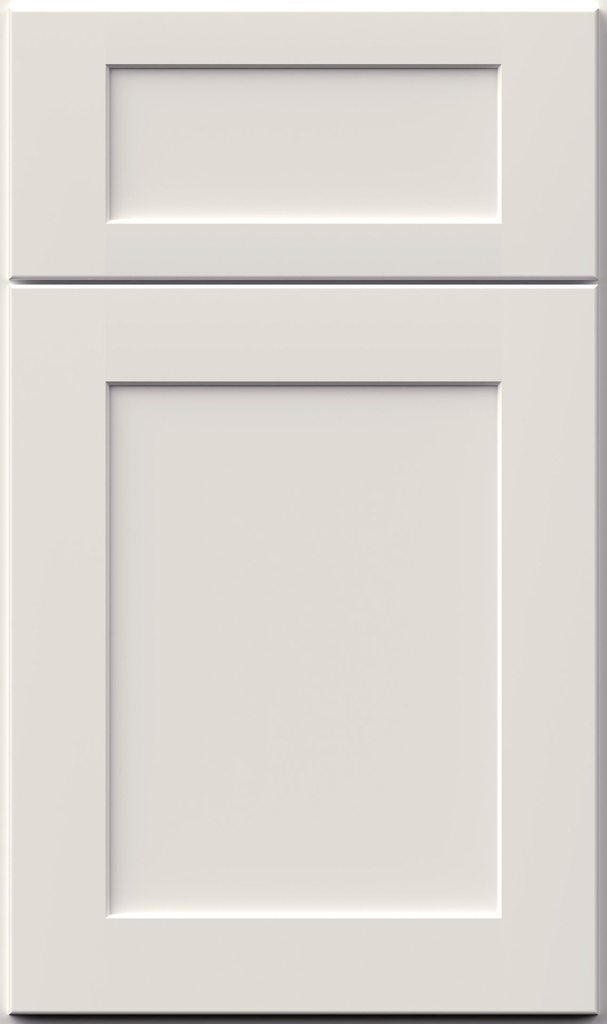
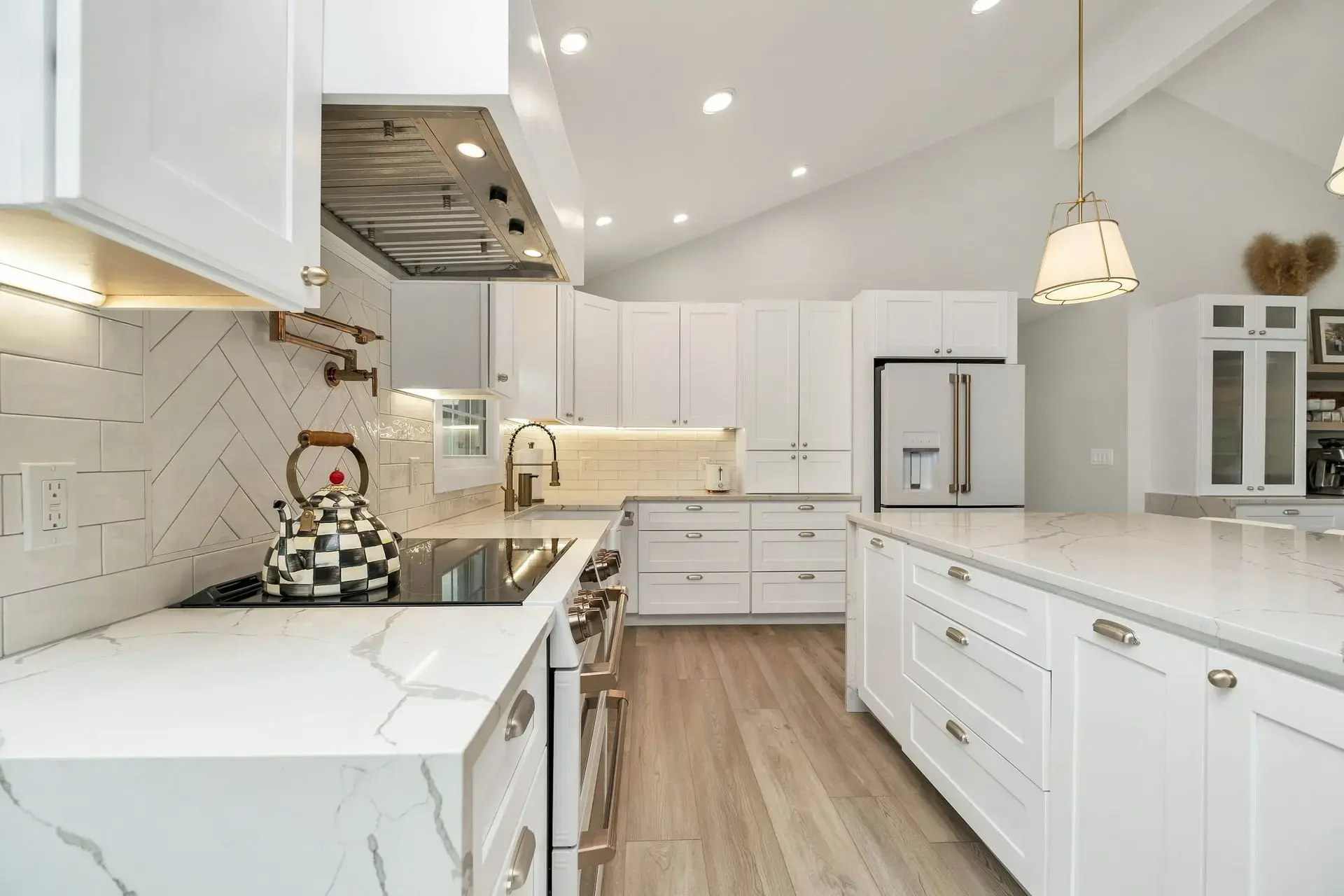
White shaker cabinets work in every Atlanta kitchen layout because they are visually neutral, reflect light effectively, and maintain their appeal across design trends that come and go. Whether you are designing a galley kitchen in a Midtown condo, a U-shaped layout in a Sandy Springs family home, or an open-plan renovation in a Marietta ranch, white shaker delivers consistent, reliable results without requiring a specific countertop material, tile choice, or flooring color to make it work.
Gray Shaker Cabinets: When and Where They Work Better Than White
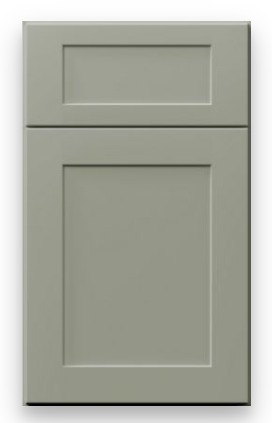
Gray shaker cabinets perform particularly well in kitchens with strong natural light, where the additional visual weight of gray grounds the space without making it feel dark. They also pair especially well with lighter countertop materials such as white quartz, Calacatta marble look porcelain, or pale butcher block, where the contrast between the gray cabinet face and the light countertop is visually intentional rather than accidental. In kitchens with limited natural light, gray should be evaluated carefully before committing, because it can read as cold and heavy in spaces that rely primarily on artificial lighting.
Cabinet Height, Depth, and Configuration Options by Layout Type
Standard upper cabinet height in Atlanta kitchen renovations is 30 to 36 inches, mounted with the bottom of the cabinet 18 inches above the countertop. In homes with 9-foot or taller ceilings, extending upper cabinets to 42 inches or to the ceiling with crown molding is a practical way to add significant storage without changing the floor plan. Base cabinet depth is standard at 24 inches. Upper cabinets are typically 12 inches deep, though 15-inch deep uppers are available and suit layouts where additional dish storage is a priority.
Modern Cabinet Hardware That Complements Each Layout Style
Hardware selection should be made as part of the cabinet order rather than as an afterthought after installation. Matte black bar pulls are the current choice for contemporary and transitional Atlanta kitchens across all four layout types. Brushed nickel pulls and cup pulls remain the standard for traditional and craftsman-influenced kitchens. Satin brass has grown as a premium hardware choice in higher-end Atlanta kitchen renovations but requires a deliberate design commitment because it is distinctive enough to define the room's aesthetic.
Stock vs. Custom Kitchen Cabinets in Atlanta: What Your Layout Actually Requires
When In-Stock Standard Sizing Works Perfectly for Your Layout
The majority of modern Atlanta kitchen layouts are fully achievable with quality in-stock cabinets in standard sizes. Stock cabinets are manufactured in width increments of 3 inches, from 9 inches to 36 inches wide, which covers nearly every cabinet run in a standard kitchen. Minor gaps between cabinets and walls are addressed with filler strips, which are standard components available in matching finishes. For Atlanta homeowners who want quality construction, a clean finished result, and same-week availability, in-stock cabinets are the practical choice for most renovation projects.
When Semi-Custom Sizing Becomes Necessary
Semi-custom sizing becomes genuinely necessary in three specific situations: when your kitchen has ceiling heights above 9 feet and you want upper cabinets to reach the ceiling without a gap, when your layout has wall dimensions that create a run requiring a non-standard cabinet width that cannot be cleanly solved with filler strips, or when you need interior configurations such as built-in spice pull-outs or specific drawer-to-door ratios that standard cabinet lines do not offer. Outside of these situations, semi-custom adds cost and lead time without a proportional benefit for most Atlanta buyers.
Why Most Modern Atlanta Kitchen Layouts Are Fully Achievable with Quality Stock Cabinets
Quality builder-grade stock cabinets in plywood construction with soft-close hardware deliver a finished result that is visually and functionally equivalent to semi-custom for most Atlanta kitchen layouts. The key word is quality. Builder-grade does not mean low-grade when the product is specified correctly. Plywood box construction, full-extension soft-close drawer slides, six-way adjustable concealed hinges, and a durable catalyzed paint finish on shaker doors produce a kitchen that looks and performs as well as semi-custom at a fraction of the cost and lead time.
The Cost Difference Between Stock and Custom for Each Layout Type
For an L-shaped Atlanta kitchen, quality in-stock cabinets typically cost $3,500 to $7,000 in materials. The equivalent semi-custom order runs $9,000 to $16,000. A U-shaped kitchen with in-stock cabinets runs $6,000 to $12,000 in materials versus $16,000 to $28,000 for semi-custom. For the vast majority of Atlanta homeowners, the in-stock option delivers the better financial outcome without a meaningful sacrifice in quality or appearance.
Planning Your Kitchen Cabinet Order for an Atlanta Layout
How to Measure Your Kitchen for Cabinets Based on Your Layout Type
Before contacting any supplier, measure every wall in your kitchen. Record the width of each wall from corner to corner, the location and width of every window and door opening, the distance from the floor to the ceiling, and the rough-in locations of your plumbing and gas connections. For L-shaped and U-shaped layouts, measure each wall run independently and note the interior corner dimensions on both walls.
Take a photograph of your existing kitchen from each corner so your supplier can see the actual space rather than working from verbal descriptions. That visual reference, combined with your written measurements, gives your supplier everything they need to provide an accurate quote the first time.
Common Sizing Mistakes Atlanta Buyers Make by Layout
The most frequently occurring sizing error in L-shaped kitchens is not accounting for the corner cabinet depth on both walls, which reduces the usable width of the adjacent cabinet runs. In U-shaped kitchens, buyers frequently underestimate the clearance needed between the two parallel base cabinet runs and order islands that leave insufficient traffic flow space. In galley kitchens, ordering standard 36-inch upper cabinets on both walls instead of mixing a taller run on one side and a shorter run on the other creates an unnecessarily heavy visual balance in a narrow corridor.
What to Include in Your Cabinet Quote for Accurate Pricing
A complete cabinet quote for an Atlanta kitchen should include base cabinets, upper cabinets, tall pantry cabinets if applicable, island cabinets if applicable, corner cabinet solutions, all filler strips, toe kick panels, crown molding if desired, and hardware counts. Requesting a quote that covers only the box cabinets and leaving hardware and trim as an afterthought leads to a final invoice that is meaningfully higher than the initial estimate.
Timeline: How Long Does a Modern Kitchen Cabinet Project Take in Atlanta?
With quality in-stock cabinets from a local Atlanta warehouse, your materials are available for pickup or delivery within the same week. Professional installation for a standard L-shaped or galley kitchen takes two to three days. A U-shaped kitchen or open-plan layout with an island typically requires three to five installation days. Adding semi-custom cabinets extends the pre-installation wait to four to eight weeks. Full custom cabinetry adds eight to sixteen weeks before installation can begin, which has meaningful implications for homeowners managing a renovation timeline.
Where to Buy Modern Kitchen Cabinets in Atlanta, GA
Why In-Stock Local Inventory Is the Practical Choice for Layout-Specific Orders
Buying kitchen cabinets from a local Atlanta warehouse gives you advantages that national online retailers and big-box stores cannot match for layout-specific projects. You can bring your measurements and layout sketch to the warehouse and review cabinet sizes in person before committing to an order. You can see the actual finish color in real light rather than making a color decision based on a screen. You can confirm corner cabinet dimensions match your layout's specific requirements, and you can take delivery within days rather than waiting weeks for a freight shipment.
For Atlanta contractors and builders managing project timelines, local in-stock availability is not a preference; it is a business requirement. A project that is delayed because cabinets are sitting in a freight terminal somewhere between a national distribution center and Atlanta costs real money in contractor time and homeowner disruption.
Builder Stock Cabinet: Quality Kitchen Cabinets for Every Atlanta Layout
Builder Stock Cabinet maintains consistent in-stock inventory of white and gray shaker kitchen cabinets in standard sizes across Atlanta's homeowner, contractor, and property developer market. Whether your project is an L-shaped kitchen refresh in a Marietta ranch or a full open-plan renovation in a Sandy Springs family home, the team can review your layout measurements, confirm sizing, and provide an accurate quote with real availability information.
Builder-direct pricing means you are not paying a retail markup stacked on top of a wholesale cost. For contractors placing multi-project orders, volume pricing arrangements are available directly through the team.
Serving Buckhead, Sandy Springs, Marietta, Alpharetta, and Metro Atlanta
Builder Stock Cabinet serves homeowners, interior designers, general contractors, and property developers throughout Atlanta and the surrounding metro area, including Buckhead, Sandy Springs, Marietta, Alpharetta, Decatur, Smyrna, and communities across Georgia. Same-week availability for in-stock product keeps your project timeline intact without waiting on national supply chains.
Browse the full cabinet collection to see current in-stock options, or request a free layout-specific quote and the team will respond with accurate pricing based on your actual kitchen dimensions within 24 hours.
Conclusion
The single most important planning decision in any Atlanta kitchen renovation is choosing your layout before you choose your cabinets. Your layout determines your linear footage, your cabinet count, your corner solutions, and which finish will make the space look and feel right for its specific dimensions and orientation. When that sequence is correct, every subsequent decision is easier, faster, and more accurate.
For most modern Atlanta kitchen layouts, quality in-stock white or gray shaker cabinets in plywood construction deliver everything the space needs at a fraction of the cost and lead time of custom alternatives. The combination of builder-direct pricing, local in-stock availability, and the ability to inspect product before purchase makes buying from a local Atlanta warehouse the practical choice for homeowners and contractors alike.
Get your free kitchen cabinet quote today or browse the collection to see what is currently available for same-week pickup across metro Atlanta.
FAQs:
Q1: What is the most popular modern kitchen layout in Atlanta homes right now?
The open-plan kitchen layout is currently the most requested design in Atlanta's residential renovation market, particularly in newer builds and mid-century ranch homes being updated. It creates a continuous flow between the kitchen, dining, and living areas, which suits the way most Atlanta families use their homes today. White shaker cabinets are the dominant cabinet choice for open-plan layouts because their clean lines and neutral finish work across all sight lines without competing with adjacent living areas.
Q2: How does my kitchen layout affect how many cabinets I need to order?
Layout directly determines your total linear footage of cabinetry, which is the primary driver of cabinet count and cost. An L-shaped layout typically requires two wall runs of cabinets. A U-shaped kitchen adds a third run and often requires two corner cabinet solutions. A galley layout uses two parallel runs facing each other. An open-plan kitchen with an island adds a separate island cabinet run on top of the perimeter configuration. Knowing your layout before you request a quote allows your supplier to deliver an accurate materials estimate rather than a rough approximation.
Q3: Can I use in-stock cabinets for a modern kitchen layout, or do I need custom cabinets?
The majority of modern Atlanta kitchen layouts are fully achievable using quality in-stock cabinets in standard sizes. Stock cabinets come in width increments of three inches, from 9 to 36 inches, which covers nearly all standard kitchen configurations. Filler strips handle minor gap adjustments between cabinets and walls cleanly and inexpensively. Custom sizing only becomes necessary when your kitchen has genuinely non-standard dimensions, ceiling heights above 9 feet requiring specialty upper cabinet heights, or a highly specific interior configuration that standard sizes and modifications cannot replicate.
Q4: Which cabinet color works best for an open-plan modern kitchen in Atlanta?
White shaker cabinets are the most practical and widely adopted choice for open-plan kitchens in Atlanta because they reflect light across a wider space, read cleanly from multiple angles including the dining and living areas, and complement a broad range of countertop, flooring, and wall paint combinations. Gray shaker cabinets are a strong choice for open-plan kitchens with abundant natural light and darker countertops such as charcoal quartz or dark-veined marble. Regardless of which finish you choose, maintaining a consistent color across all cabinet runs including the island creates the most cohesive modern result.
Q5: What is the difference between a galley kitchen and an L-shaped kitchen layout?
A galley kitchen has two parallel runs of cabinets and countertops facing each other across a single corridor, creating a highly efficient work triangle in a compact space. It is common in Atlanta condos, townhomes, and older bungalow kitchens. An L-shaped kitchen uses two runs of cabinets arranged at a right angle along two adjacent walls, typically with a more open feel and room for a small dining area or breakfast bar on the open side. L-shaped layouts are more flexible for families who want a combined kitchen and casual dining zone without fully committing to a structural open-plan renovation.
Q6: How long does it take to complete a modern kitchen cabinet project in Atlanta?
The timeline depends on whether you are using in-stock or custom cabinets. In-stock cabinets from a local Atlanta warehouse like Builder Stock Cabinet are typically available for pickup or delivery within the same week. Once your cabinets are on site, professional installation for a standard L-shaped or galley kitchen takes two to three days. A U-shaped or open-plan kitchen with an island typically requires three to five installation days. Semi-custom cabinets add a four to eight week pre-installation wait. Full custom cabinetry extends that wait to eight to sixteen weeks, making in-stock local inventory the clear choice for any project with a defined timeline.
Q7: Does Builder Stock Cabinet serve all areas of metro Atlanta for kitchen cabinet orders?
Yes. Builder Stock Cabinet serves homeowners, contractors, interior designers, and property developers across the Atlanta metro area, including Buckhead, Sandy Springs, Marietta, Alpharetta, Decatur, Smyrna, and surrounding communities throughout Georgia. Whether you are planning a single kitchen renovation or outfitting multiple properties across the city, the team can provide a layout-specific free quote, confirm current in-stock availability, and arrange for local delivery or warehouse pickup based on your project schedule.