Choosing new cabinets is one of the most exciting, yet overwhelming, parts of a kitchen remodel. Balancing your dream aesthetic with your realistic budget can be stressful, but looking closely at the facts, costs, and practical realities will help you make the best choice.
If you are trying to decide between stock vs custom kitchen cabinets, this comprehensive guide will walk you through everything you need to know.
1. Introduction to Kitchen Cabinet Options
When you begin a remodel, you quickly realize that kitchen renovation cabinets are the most important part of the project. They set the tone for the room's entire design, dictate your storage capabilities, and typically consume the largest portion of your renovation budget.
There are several cabinet types available on the market today, primarily categorized as stock, semi-custom, and custom.
Understanding the differences in stock vs custom kitchen cabinets is crucial. Stock cabinets are ready-made, pre-sized units ready to ship. Custom cabinets are built from scratch to your exact specifications. Choosing the right cabinet dramatically affects both the functionality of your daily cooking routine and the long-term design appeal of your home.
2. What Are Stock Kitchen Cabinets?
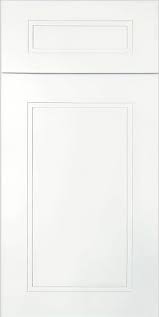
Stock kitchen cabinets are pre-manufactured units produced in large quantities by factories. Because they are mass-produced, they are ready to ship and install almost immediately.
1. Manufacturing and Sizes: They are built using standard dimensions, typically starting at 9 inches wide and increasing in 3-inch increments.
2. Materials: Most stock cabinets utilize MDF, particleboard, or plywood for the cabinet boxes, with solid wood or laminate on the doors and face frames.
3. Affordability: Because of economies of scale in manufacturing, these are widely considered the most affordable kitchen cabinets on the market.
4. Pros: They are budget-friendly, readily available, and quick to deliver.
5. Limitations: You are restricted to the manufacturer's predefined sizes, colors, and styles. If your kitchen has unusual dimensions, you will likely need filler strips to cover the gaps.
3. What Are Custom Kitchen Cabinets?
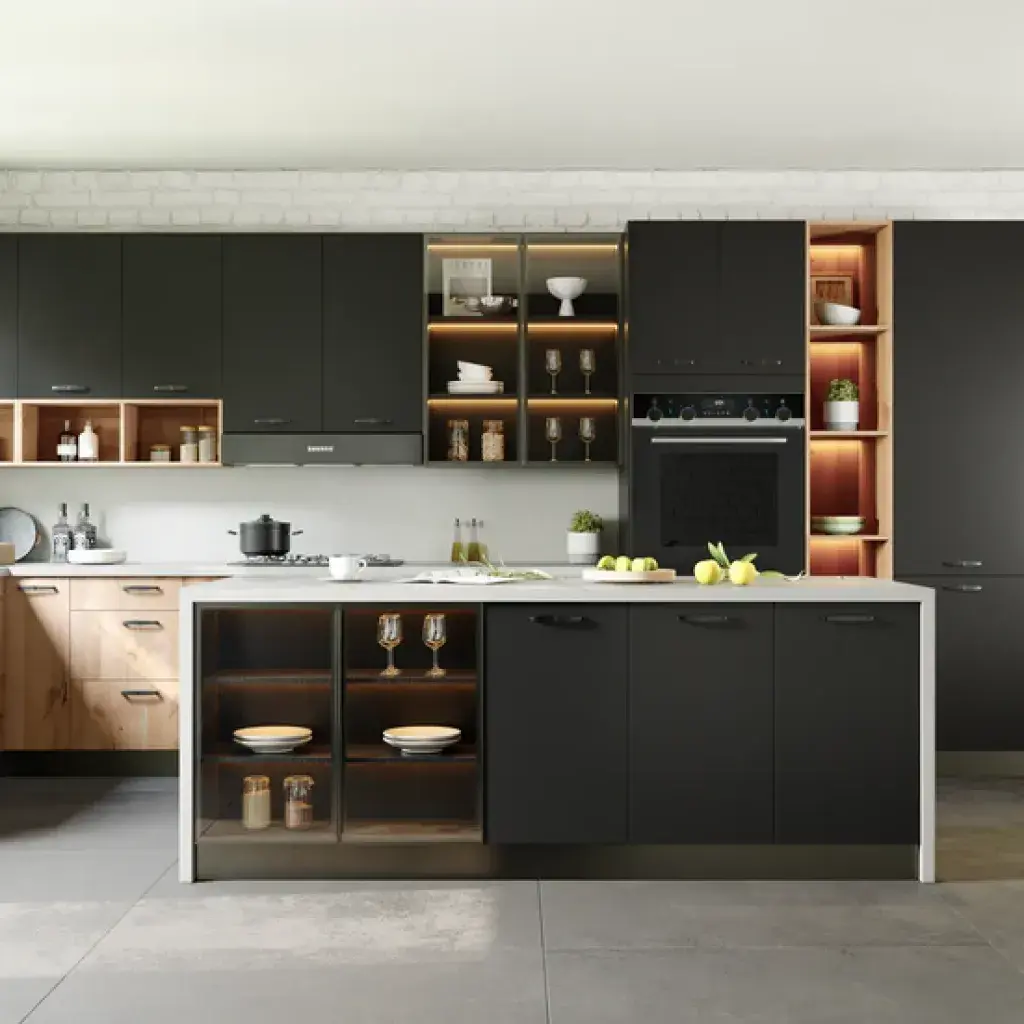
Custom kitchen cabinets are exactly what they sound like. They are built specifically for your kitchen space, your lifestyle, and your aesthetic preferences.
1. Design and Build: Local cabinet makers or specialized manufacturers build these from the ground up. An artisan or designer measures your exact space and designs every inch to fit seamlessly.
2. Personalized Options: The cabinet customization options are practically limitless. You can request any height, depth, or width required.
3. Materials and Finishes: You have total control over the materials. If you want solid walnut doors with a custom mixed marine-blue paint, it can be done.
4. Advantages: Custom cabinetry offers unmatched quality, perfect fitment for luxury kitchens, and the ability to maximize every millimeter of space.
5. Limitations: The primary limitations are cost and time. They are significantly more expensive and can take weeks or months to build.
4. Cost Comparison: Stock vs Custom Cabinets
A transparent cabinet price comparison is usually the deciding factor for most homeowners. Costs can vary widely based on your location, materials, and kitchen size.
Stock Cabinets
1. Material Price: $100-$300 per linear foot.
2. Installation: Lower labor costs.
3. Budget Fit: Excellent for tight budgets.
4. Long-Term Value: Moderate.
Custom Cabinets
1. Material Price: $500 to $1,200 or more per linear foot.
2. Installation: High labor costs.
3. Budget Fit: Requires a luxury budget.
4. Long-Term Value: High with an excellent return on investment.
Your cabinet installation cost is another critical factor. Stock cabinets are generally easier and faster to install, which keeps labor costs down. Custom cabinets require meticulous installation by skilled carpenters to ensure the bespoke pieces fit the unique quirks of your walls and floors.
When choosing affordable kitchen cabinets, stock is the clear winner for upfront costs. However, long-term financial considerations should factor in how long you plan to live in the home. Custom cabinets generally add more value to your property.
5. Design Flexibility and Storage Options
Your storage needs are unique to how you cook and live. This is where kitchen cabinet design options come into play.
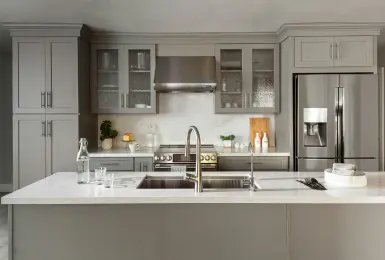
Stock cabinets offer standard layouts. You will get standard shelves, basic drawers, and standard door hinges. To make standard cabinets fit a specific layout, contractors use "fillers," which are blank pieces of wood that bridge gaps between standard-sized boxes and your walls.
Custom cabinets offer supreme cabinet customization options.
1. Space Optimization: Oddly shaped corners can be transformed into functional storage.
2. Smart Storage: You can integrate pull-out spice racks, built-in utensil drawer dividers, deep drawers for heavy pots, and hidden appliance garages.
3. Functionality: Complete design flexibility ensures that your workflow from the fridge to the sink to the stove is perfectly supported by where your tools are stored.
6. Installation Time and Availability
Time is often as critical as money in a remodel.
Because stock kitchen cabinets are sitting in a warehouse, delivery time is incredibly fast. You can often pick them up the same day at big-box hardware stores or have them delivered within a week. The standard sizing also means the cabinet installation cost in terms of time is minimal. A standard kitchen can often be installed in one to three days.
Conversely, custom cabinets require a long manufacturing time. After the final measurements are taken, it can take anywhere from 6 to 12 weeks for the cabinets to be built. The installation process is also slower and more meticulous, extending your project timeline for kitchen renovation cabinets. If a quick installation is your top priority, custom cabinetry will frustrate you.
7. Durability and Long Term Value
When investing in kitchen renovation cabinets, you want them to last.
1. Construction Quality: Custom cabinets are typically built with superior joinery, such as dovetail joints for drawers, thicker solid-wood components, and high-quality hardware. Stock cabinets often rely on staples, glue, and basic drawer glides.
2. Material Durability: Solid wood and high-grade plywood used in custom kitchen cabinets hold up better to moisture, heavy use, and time than particleboard, which is frequently used in stock options.
3. Maintenance: Higher quality finishes on custom cabinets often resist chipping and fading better, requiring less maintenance over the years.
4. Long-Term Value: While the upfront cost of custom cabinetry is steep, the long-term value and return on investment are exceptional if you plan to stay in the home for a decade or more.
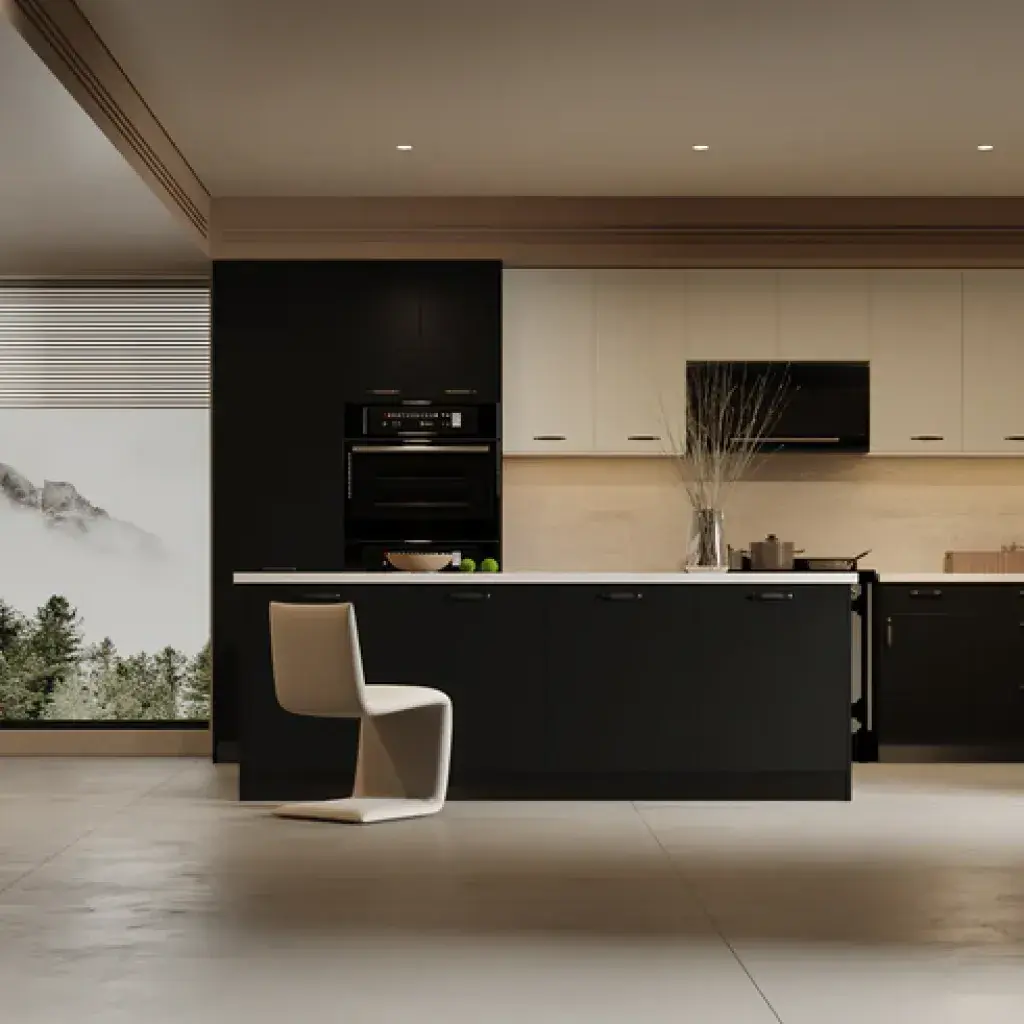
8. When Stock Cabinets Are the Better Choice
You do not always need a bespoke solution. stock kitchen cabinets are incredibly practical and are often the better choice under several circumstances.
1. Strict Budgets: If you need affordable kitchen cabinets to stay within a tight renovation budget.
2. Rental Properties: For investment homes or house flips, stock cabinets provide a clean, updated look without eating into your profit margins.
3. Quick Remodels: If your kitchen is gutted and you need it to be functional before the holidays or a major life event.
4. Standard Layouts: If you have a standard-sized kitchen that easily accommodates a 3-inch increment sizing.
9. When Custom Cabinets Are Worth the Investment
There are times when stretching the budget for custom kitchen cabinets is absolutely the right move.
1. Luxury Remodels: If you are renovating a high-end home, stock cabinets can look out of place and actually hurt the property's value.
2. Unique Layouts: Historic homes or kitchens with strange angles, uneven floors, or unmovable architectural features require bespoke sizing.
3. Specific Aesthetics: When you want highly personalized kitchen cabinet design options, exact color matching, or exotic wood grains.
4. Forever Homes: If this is the home you plan to retire in, investing in durable, perfectly tailored cabinetry is an investment in your daily happiness.
10. Final Buying Tips
Before you swipe your card or sign a contract, keep these final buying tips in mind to ensure you make the right choice between stock vs custom kitchen cabinets.
1. Ask the Right Questions: Ask your supplier about the materials used for the cabinet boxes, the type of joinery used on the drawers, and the warranty provided.
2. Plan a Cabinet Budget: Expect cabinets to take up a large portion of your total kitchen remodel budget. Do a realistic cabinet price comparison early.
3. Compare Suppliers: Do not settle for the first quote. Compare prices from big-box stores, local lumberyards, and independent cabinetmakers.
4. Measure Twice: Measuring your kitchen space correctly is vital. Even if you buy stock cabinets, a layout error of one inch can ruin the design. Hire a professional to measure if you are unsure.
5. Match Your Style: Choose a cabinet style that complements the architectural era of your home.
FAQs
1. Are custom cabinets worth the extra cost?
Custom cabinets offer unique designs, perfect sizing, and premium materials, making them worth the investment for homeowners seeking personalization.
2. How much cheaper are stock cabinets?
Stock cabinets can cost 30–50% less than custom cabinets since they are mass produced and available in standard sizes.
3. Can stock cabinets look high end?
Yes. With the right finishes, hardware, and installation, stock cabinets can look modern and stylish.
4. How long does it take to get custom cabinets?
Custom cabinets typically take 6–12 weeks to manufacture and install depending on design complexity.
5. Which cabinets are easier to install?
Stock cabinets are easier and quicker to install because they are pre-built and available in standard sizes.